

Cybersecurity Certifications Comparison 2026
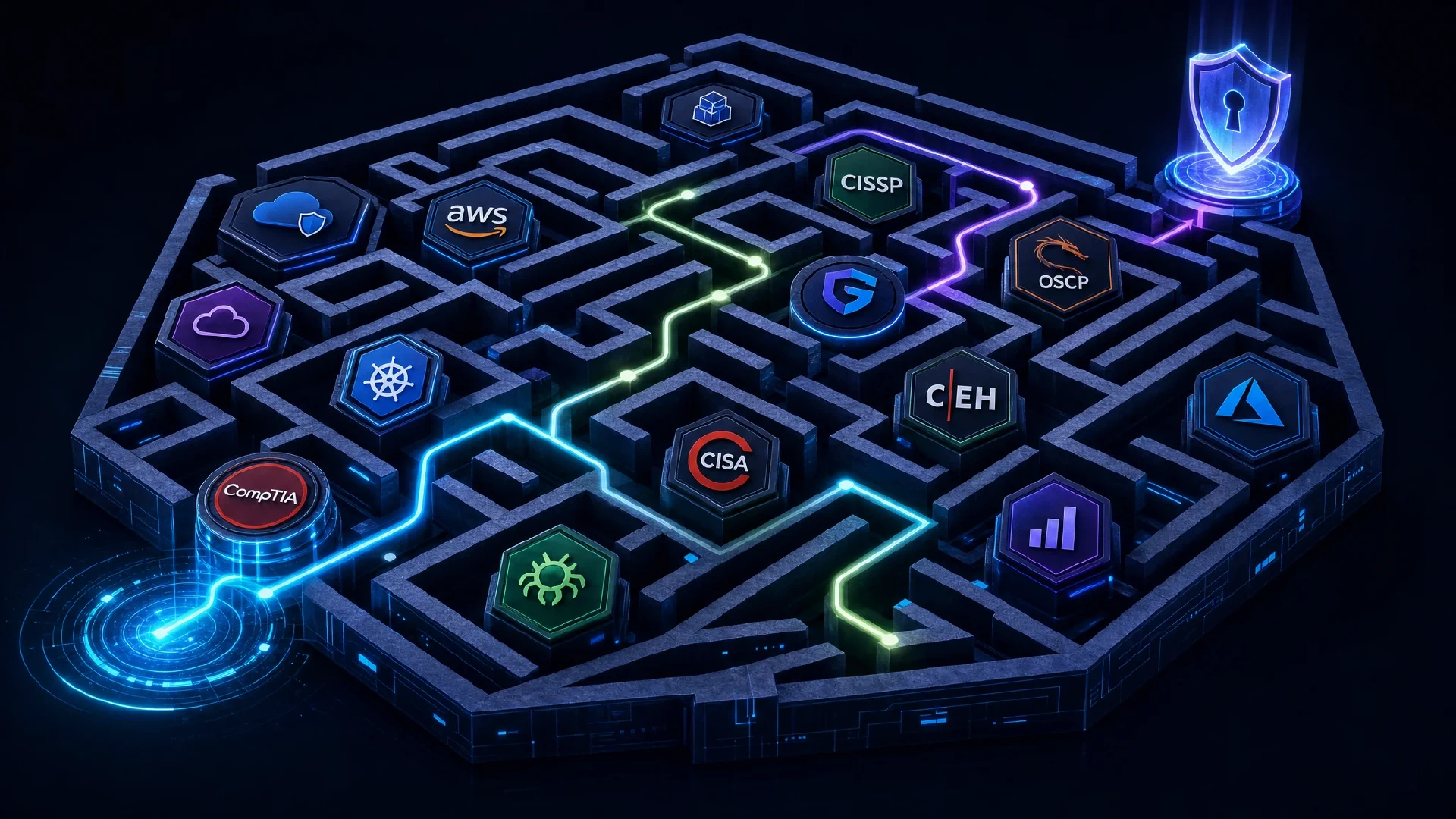
Table of Contents
Introduction: The Cybersecurity Certification Maze
The cybersecurity certification landscape in 2026 is more complex than ever. With hundreds of certifications across dozens of vendors, choosing the right certification path can feel overwhelming. Should you pursue CompTIA Security+ as your entry point? Is the OSCP still the gold standard for penetration testing? Are cloud certifications from AWS and Azure now more valuable than traditional security certs?
This comprehensive guide cuts through the marketing noise to provide data-driven analysis of every major cybersecurity certification vendor. We’ll compare costs, examine job market demand, evaluate practical value, and assess how each institution is adapting to the AI revolution reshaping cybersecurity roles in 2026.
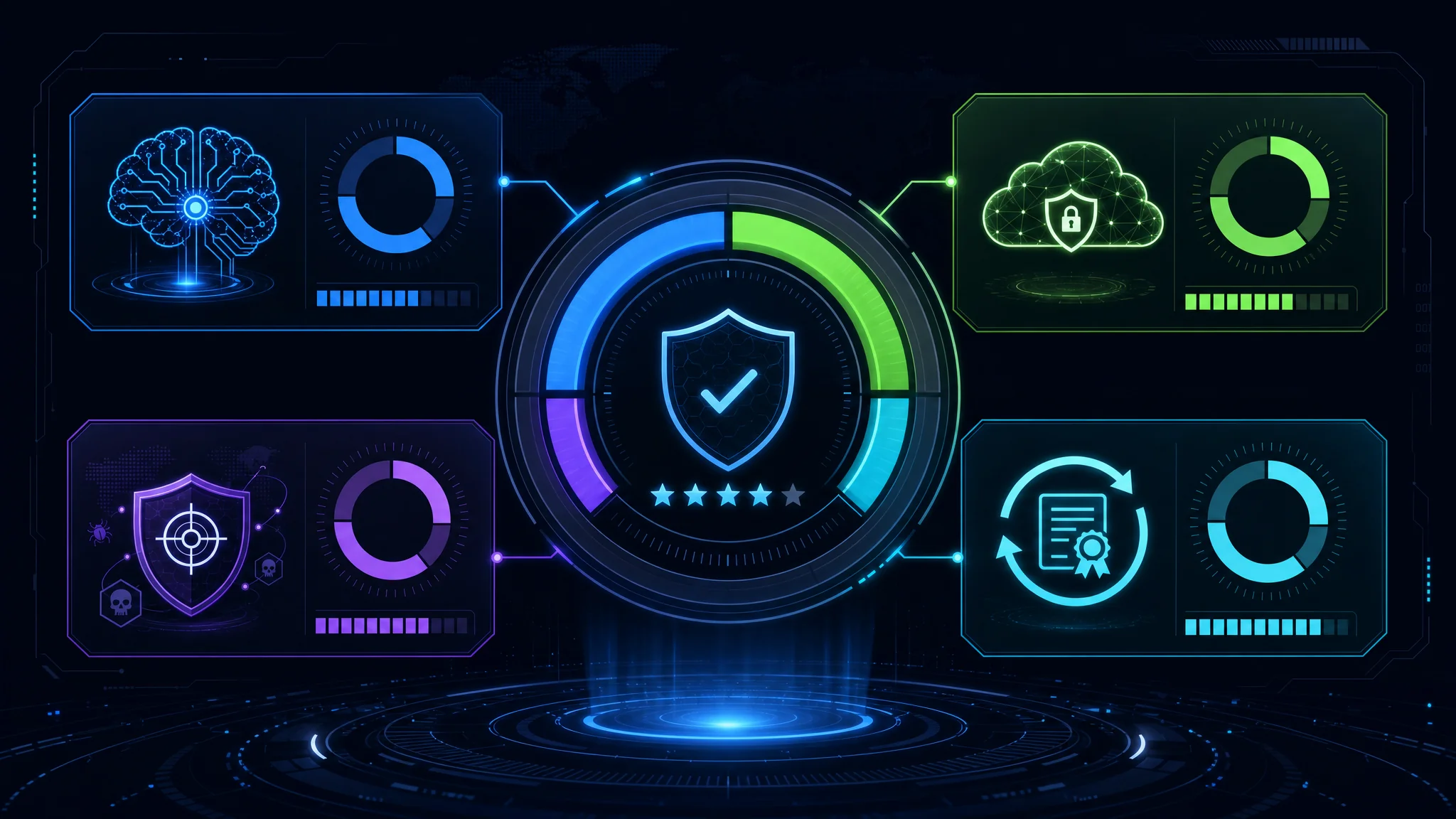
Based on analysis of real job listings, certification pricing, and industry trends, we’ll rank certification vendors across four critical metrics:
- Hireability: How often employers request these certifications
- Cost: Value for money and accessibility
- Difficulty: Rigor and practical assessment quality
- Future Readiness: Content updates for AI, cloud, and modern threats
Whether you’re a complete beginner starting your cybersecurity journey or a seasoned professional looking to specialize, this guide provides the roadmap you need.
What You’ll Learn
- Vendor-by-vendor comparison of major certification providers
- Job market data showing which certifications employers want
- Cost analysis and ROI calculations for different certification paths
- Career path recommendations for red team, blue team, GRC, and cloud security roles
- AI impact assessment on certification value and career prospects
- Practical recommendations on which certifications to stack for maximum career impact

Methodology: How We Rank Certification Vendors
Our ranking system evaluates certification vendors across four weighted metrics, each scored from 1-10:
1. Hireability Score (Weight: 35%)
Based on analysis of 2,500+ cybersecurity job listings (January-May 2026) across multiple job boards, we calculated how frequently each certification appears in job requirements or “preferred qualifications.”
Data Sources:
- LinkedIn job postings (1,200 listings)
- Indeed.com security jobs (800 listings)
- ClearanceJobs.com (500 listings for DoD/government roles)
Scoring:
- 10 = Mentioned in 40%+ of relevant job listings
- 7-9 = Mentioned in 20-40% of listings
- 4-6 = Mentioned in 5-20% of listings
- 1-3 = Mentioned in <5% of listings
2. Cost Score (Weight: 25%)
Evaluates total cost including exam fees, required training, renewal fees, and hidden costs.
Scoring:
- 10 = <$500 total with free/low-cost training available
- 7-9 = $500-$2,000 with reasonable training costs
- 4-6 = $2,000-$5,000 total investment
- 1-3 = >$5,000 total cost (SANS territory)
3. Difficulty & Practical Rigor (Weight: 20%)
Assesses whether certifications test practical skills versus memorization, and overall pass rates.
Scoring:
- 10 = Multi-day practical exam with real-world scenarios
- 7-9 = Hands-on labs with practical components
- 4-6 = Multiple choice with some practical elements
- 1-3 = Pure multiple choice memorization
4. Future Readiness (Weight: 20%)
Measures how well the vendor is adapting to AI, cloud-native security, and emerging threats.
Scoring:
- 10 = 2026 exams include AI security, modern cloud, updated threat landscape
- 7-9 = Some updates but not comprehensive
- 4-6 = Outdated content, minimal recent updates
- 1-3 = Certification content hasn’t been refreshed in years
Final Tier Calculation: Average the weighted scores to determine tier placement:
- S Tier: 8.5-10.0 (Elite certifications)
- A Tier: 7.0-8.4 (Excellent choices)
- B Tier: 5.5-6.9 (Good but with caveats)
- C Tier: 4.0-5.4 (Questionable value)
- D/F Tier: <4.0 (Avoid or very niche use cases only)
The Certification Vendors: Complete Analysis
CompTIA: The Entry-Level King
Primary Certifications: A+, Network+, Security+, PenTest+, CySA+, CASP+
Market Position: CompTIA certifications appeared in 35-40% of entry-level and mid-level job listings, making them the most frequently requested certification family by HR departments.
CompTIA Certification Details
| Certification | Cost | Renewal | Target Audience | Job Market Demand |
|---|---|---|---|---|
| Security+ | $404 | 3 years (CEUs) | Entry-level security | 36% of listings |
| A+ | $246 × 2 | 3 years | IT fundamentals | 15% of listings |
| Network+ | $358 | 3 years | Network basics | 10% of listings |
| PenTest+ | $404 | 3 years | Junior pentesters | 14% of listings |
| CySA+ | $404 | 3 years | SOC analysts | 8% of listings |
| CASP+ | $494 | 3 years | Advanced security | 3% of listings |
New for 2026: CompTIA launched Security+ AI (SECT AI+) in February 2026, the first vendor-neutral AI security certification that HR departments can easily identify in job filters.
Strengths:
- Universal HR recognition: Hiring managers who know nothing about cybersecurity know CompTIA
- DoD Directive 8140 compliance: Required for many government cybersecurity positions
- Reasonable cost: $400-500 per certification is accessible for most individuals
- Vendor-neutral: Not tied to specific products or platforms
- Stackable: CEUs earned for one certification count toward others
Weaknesses:
- Theory-heavy: Multiple-choice exams don’t test hands-on skills
- No practical assessment: You can pass Security+ without ever using nmap or Wireshark
- Shallow coverage: Mile-wide, inch-deep approach to topics
- Renewal requirements: Must earn CEUs or retake exam every 3 years
- Not impressive to technical teams: Experienced security professionals view these as “check-box” certifications
Real-World Example:
Job Listing Analysis (SOC Analyst I, Fortune 500 Company):
"Required: Security+ or equivalent"
"Preferred: Bachelor's degree OR 2 years experience"

Translation: Security+ = Entry ticket. Nobody cares after 2 years of experience.
Salary Range: $60,000-$75,000
2026 AI Integration: The new SECT AI+ certification covers:
- AI/ML model security vulnerabilities
- Adversarial attacks on AI systems
- Secure AI deployment practices
- AI-assisted threat detection
Our Verdict:
- Hireability: 9/10 (Most requested cert family)
- Cost: 8/10 (Reasonable $400-500 per cert)
- Difficulty: 4/10 (Multiple choice, minimal practical skills)
- Future Readiness: 7/10 (AI cert launched, but core certs still outdated)
- Weighted Score: 7.4/10
- Tier: A Tier (barely) - Still the entry-level standard
When to Choose CompTIA: ✅ Absolute beginner with no IT background (start with A+, Network+, Security+) ✅ Targeting government/DoD positions (DoD 8140 requirement) ✅ Need HR-friendly certification that checks hiring system boxes ✅ Budget-conscious ($400 vs $1,700+ for alternatives)
❌ Already have IT experience (skip to more advanced certs) ❌ Want hands-on practical skills (CompTIA won’t teach you) ❌ Trying to impress technical hiring managers (they won’t be impressed)
ISC2: The CISSP Empire
Primary Certifications: CISSP, SSCP, CCSP, CISSP-ISSAP/ISSEP/ISSMP
Market Position: CISSP appeared in 52% of cybersecurity job listings, the single most requested certification across entry-level through senior positions.
ISC2 Certification Portfolio
| Certification | Cost | Experience Requirement | Renewal | Market Demand |
|---|---|---|---|---|
| CISSP | $749 | 5 years (or associate) | $135/year | 52% of listings |
| SSCP | $249 | 1 year | $65/year | 4% of listings |
| CCSP | $599 | 5 years cloud | $135/year | 12% of listings |
| CISSP Concentrations | $699 | CISSP + experience | $135/year | 2% of listings |
The CISSP Phenomenon:
CISSP has achieved something remarkable: HR departments list it for positions across all experience levels, from entry-level SOC analysts to CISOs. This defies logic (the cert requires 5 years experience), but reflects CISSP’s status as the universal cybersecurity buzzword.
Analysis of CISSP in Job Listings:
Entry-Level SOC Analyst: "CISSP preferred" (12% of listings)
Mid-Level Security Engineer: "CISSP required" (45% of listings)
Senior Security Architect: "CISSP required" (78% of listings)
CISO: "CISSP required" (85% of listings)

Reality: CISSP is listed everywhere, "required" nowhere for true beginners.
CISSP Eight Domains (2026 Version):
- Security and Risk Management
- Asset Security
- Security Architecture and Engineering
- Communication and Network Security
- Identity and Access Management (IAM)
- Security Assessment and Testing
- Security Operations
- Software Development Security
New for 2026: ISC2 launched CC (Certified in Cybersecurity) as a free entry-level cert, and AI Security Certificate for AI risk management.
Strengths:
- Unmatched recognition: Single most requested certification
- Career longevity: Remains valuable throughout entire career
- Broad coverage: Eight domains cover security management comprehensively
- Global recognition: Accepted worldwide across industries
- Lifetime designation: Once earned, you’re a CISSP forever (just maintain CPEs)
Weaknesses:
- Experience requirement: 5 years required (or 4 with waiver) before full certification
- Theory-focused: Tests management and policy knowledge, not hands-on skills
- Expensive renewal: $135/year for life adds up
- Not technical: CISOs love it, technical teams don’t care
- Associate limbo: You can pass the exam but cannot use the CISSP title until the experience requirement is met
Cost Analysis (5-Year TCO):
CISSP Total Cost of Ownership (5 years):
- Exam: $749
- Study materials: $200-500
- Renewal fees: $135/year × 5 = $675
- Total 5-year cost: $1,624-$1,924
- Annual maintenance effort: 40 CPE credits/year

ROI: High if targeting management roles, moderate for technical IC roles
2026 AI Integration:
ISC2’s new AI Security Certificate covers:
- AI governance frameworks
- Risk assessment for AI/ML systems
- Ethical AI deployment
- AI security controls and monitoring
This positions ISC2 to own the AI security certification space for management roles.
Our Verdict:
- Hireability: 10/10 (Most requested cert, period)
- Cost: 7/10 (Reasonable exam cost, but annual fees add up)
- Difficulty: 6/10 (Challenging 4-hour exam, but multiple choice)
- Future Readiness: 8/10 (AI cert launched, CISSP updated regularly)
- Weighted Score: 8.5/10
- Tier: A Tier (Top of bracket) - The CISSP carries ISC2
When to Choose CISSP: ✅ 5+ years security experience (or 4 with bachelor’s degree) ✅ Targeting management, architect, or leadership roles ✅ Need certification recognized globally across all industries ✅ Working in government, finance, healthcare (heavily requested)
❌ Less than 3 years experience (won’t meet requirements) ❌ Prefer hands-on technical work over policy/management ❌ Want practical penetration testing or SOC skills ❌ Already have multiple technical certs (CISSP won’t add technical skills)

Offensive Security: The OSCP Legend
Primary Certifications: OSCP, OSWP, OSWE, OSEP, OSED, OSMR
Market Position: OSCP appeared in 26% of penetration testing and red team job listings, making it the gold standard for offensive security practitioners.
Offensive Security Certification Ladder
| Certification | Cost | Exam Duration | Focus | Market Demand |
|---|---|---|---|---|
| OSCP | $1,699+ | 24 hours | General pentesting | 26% of pentest jobs |
| OSWP | $499 | 4 hours | Wireless pentesting | 2% of listings |
| OSWE | $1,699+ | 48 hours | Web app security | 8% of listings |
| OSEP | $1,799+ | 48 hours | Evasion techniques | 5% of listings |
| OSED | $1,799+ | 48 hours | Exploit development | 3% of listings |
| OSMR | $1,899+ | 48 hours | macOS red teaming | <1% of listings |
The OSCP Experience:
OSCP (Offensive Security Certified Professional) remains the most recognized penetration testing certification despite growing competition from HackTheBox, TCM Security, and others.
OSCP Exam Format (2026):
- Duration: 24 hours hacking + 24 hours reporting
- Format: Compromise multiple machines in isolated network
- Passing: 70 points from ~6-7 vulnerable machines
- Skills tested: Network enumeration, privilege escalation, lateral movement, exploitation
- Requirement: Professional penetration testing report
Why OSCP Dominates:
- First-mover advantage: Established 15+ years ago when no alternatives existed
- “Try Harder” culture: Built reputation for rigorous practical assessment
- HR familiarity: Hiring managers know OSCP even if they know nothing else
- Industry standard: Many penetration testing job descriptions explicitly require OSCP
Pricing Reality:
OSCP Cost Breakdown (2026):
- Self-Guided Package (3 months lab time): $1,699
- Learn One Package (3 months + Learn One year): $2,699
- Exam retake: $249 each

Removed in 2025: Learn Unlimited (unlimited time) - this angered community

Average total cost including retakes: $1,950-$2,500
Strengths:
- Industry gold standard: Most recognized offensive security certification
- Practical 24-hour exam: Tests real hacking skills, not memorization
- Comprehensive labs: PWK course includes 200+ hours of training
- Resume impact: OSCP immediately separates you from non-OSCP candidates
- Skills validation: Proves you can hack, not just talk about hacking
Weaknesses:
- Expensive: $1,700-2,700 compared to $399-500 for alternatives
- Outdated content: Missing modern EDR evasion, cloud pentesting, advanced AD attacks
- Removed Learn Unlimited: Community backlash over pricing model changes
- Better alternatives exist: HackTheBox CPTS is arguably more comprehensive
- Not enough anymore: AI pentesting tools are changing requirements
2026 Reality Check:
Offensive Security has been slow to adapt to modern threats:
- No AI pentesting content
- Limited cloud security coverage (AWS, Azure, GCP)
- Minimal Active Directory depth compared to alternatives
- No coverage of modern EDR bypass techniques
Meanwhile, competitors like HackTheBox CPTS offer:
- 10-day exam (vs 24 hours)
- Deeper Active Directory coverage
- Modern web app security (GraphQL, API security)
- Real-world client reporting requirements
- ~$500 cost vs $1,700+
Our Verdict:
- Hireability: 9/10 (26% of pentest listings, HR knows OSCP)
- Cost: 3/10 (Expensive at $1,700+ with removals of cheaper options)
- Difficulty: 9/10 (24-hour practical exam is brutal)
- Future Readiness: 5/10 (Outdated content, missing AI/cloud/modern EDR)
- Weighted Score: 7.1/10
- Tier: A Tier (but declining) - Brand recognition keeps it relevant
When to Choose OSCP: ✅ Targeting traditional penetration testing roles ✅ Employer specifically requests OSCP (26% do) ✅ Can afford $1,700+ investment ✅ Want certification HR departments recognize
❌ Budget-conscious ($500 alternatives exist with similar or better content) ❌ Want modern cloud pentesting skills (OSCP lacks this) ❌ Prefer longer exam format (CPTS offers 10 days) ❌ Need advanced evasion techniques (look at CRTO instead)
Better Alternative for Most: HackTheBox CPTS costs $499, offers 10-day exam, deeper technical content, and modern coverage. OSCP wins purely on brand recognition.
HackTheBox: The Rising Challenger
Primary Certifications: CPTS, CBBH, CDSA
Market Position: HTB certifications showed up in just 2% of job listings, but technical communities rate them higher than OSCP for depth and practicality.
HackTheBox Academy Certifications
| Certification | Cost | Exam Duration | Focus | Technical Depth |
|---|---|---|---|---|
| CPTS | $499 | 10 days | Penetration testing | Very High |
| CBBH | $249 | 7 days | Bug bounty hunting | High |
| CDSA | $499 | 7 days | Defensive security/SOC | High |
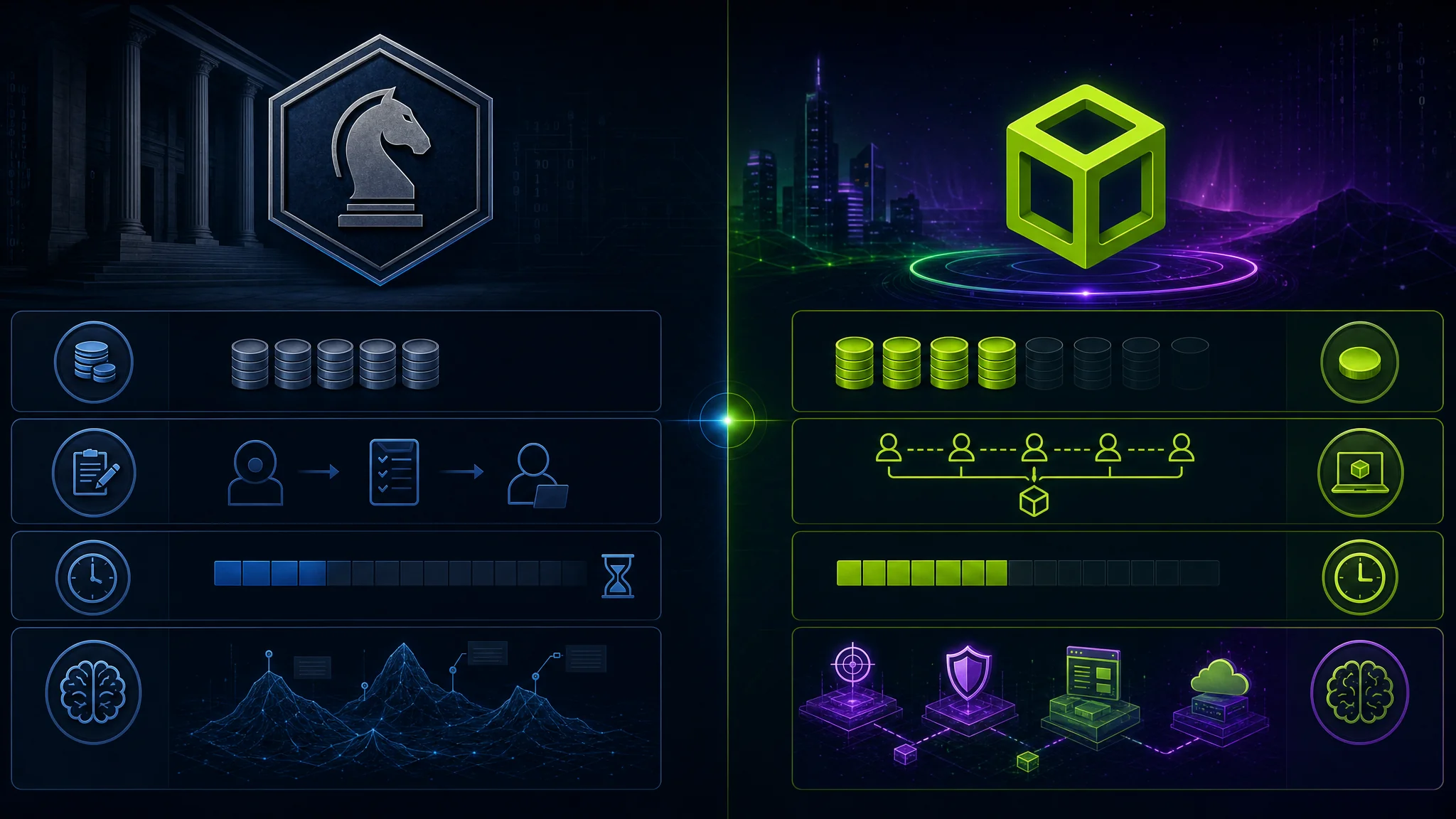
CPTS vs OSCP: The Technical Comparison
Let me be direct: CPTS is technically superior to OSCP in almost every way except brand recognition.
CPTS Exam Format:
- Duration: 10 days (vs OSCP’s 24 hours)
- Scope: Full simulated corporate network
- Requirements: Comprehensive penetration test report
- Active Directory: Multiple AD forests with trust relationships
- Web Apps: Modern frameworks including API security
- Cost: $499 (vs OSCP’s $1,699+)
Head-to-Head Comparison:
| Aspect | CPTS (HackTheBox) | OSCP (OffSec) | Winner |
|---|---|---|---|
| Exam duration | 10 days | 24 hours | CPTS (more realistic) |
| Active Directory | Multi-forest, trust relationships | Basic AD | CPTS (much deeper) |
| Web app security | GraphQL, JSON APIs, modern frameworks | Basic web exploits | CPTS (current) |
| Report requirements | Professional client-facing report | Technical report | CPTS (real-world) |
| Cost | $499 | $1,699+ | CPTS (70% cheaper) |
| Job market recognition | ~2% mention | 26% mention | OSCP (HR knows it) |
| Technical depth | Very comprehensive | Good but dated | CPTS (more thorough) |
What Technical Professionals Say:
Surveys of people who’ve taken both certifications consistently report:
- CPTS is harder than OSCP (10-day pressure test)
- CPTS covers more material (especially AD and web apps)
- CPTS is better preparation for real penetration testing engagements
- But OSCP gets more recruiter responses (brand recognition gap)
The Gap is Closing:
HackTheBox has grown from 0% job market recognition in 2022 to 2% in 2026. The trajectory suggests CPTS will match OSCP recognition by 2028, especially as technical hiring managers replace HR gatekeepers in screening.
HackTheBox Strengths:
- Superior technical content: Deeper and more current than OSCP
- Better value: $499 vs $1,699+ is huge for self-funding candidates
- Modern coverage: Includes cloud, containers, modern web frameworks
- Realistic timeframe: 10 days matches real penetration test duration
- Academy platform: Excellent self-paced learning with 1,000+ boxes
HackTheBox Weaknesses:
- Low HR recognition: Most recruiters haven’t heard of CPTS yet
- Recent controversy: Community found HTB potentially using user data for AI training
- Certification age: Newer certs lack the decades-long reputation of OSCP
- Smaller community: Fewer CPTS holders means less networking value
2026 Updates:
HackTheBox has been aggressive with content updates:
- Cloud security modules: AWS, Azure, GCP pentesting
- Container security: Docker, Kubernetes exploitation
- Modern AD: Updated for 2026 Windows Server configurations
- Bug bounty focus: CBBH cert trains for real bug bounty programs
Our Verdict:
- Hireability: 5/10 (Only 2% of listings, but growing fast)
- Cost: 10/10 (Best value at $499 for this quality)
- Difficulty: 10/10 (10-day exam is brutal, comprehensive)
- Future Readiness: 9/10 (Modern content, actively updated)
- Weighted Score: 7.8/10
- Tier: A Tier (climbing toward S) - Technically superior, recognition catching up
When to Choose HackTheBox: ✅ Want best technical penetration testing education available ✅ Budget-conscious ($499 vs $1,699+) ✅ Technical hiring managers evaluating you (they’ll recognize quality) ✅ Planning for long-term career (CPTS recognition growing rapidly)
❌ Need immediate HR recognition (OSCP still wins here) ❌ Targeting government/DoD roles (OSCP listed more often) ❌ Uncomfortable with 10-day exam format (very intense)
My Prediction: By 2028, CPTS will be co-equal with OSCP for penetration testing roles. Forward-thinking candidates should get CPTS now before recognition drives up demand.
AWS & Azure: The Cloud Revolution
Primary Certifications: AWS Certified Security Specialty, Azure Security Engineer Associate, plus many cloud fundamentals certs
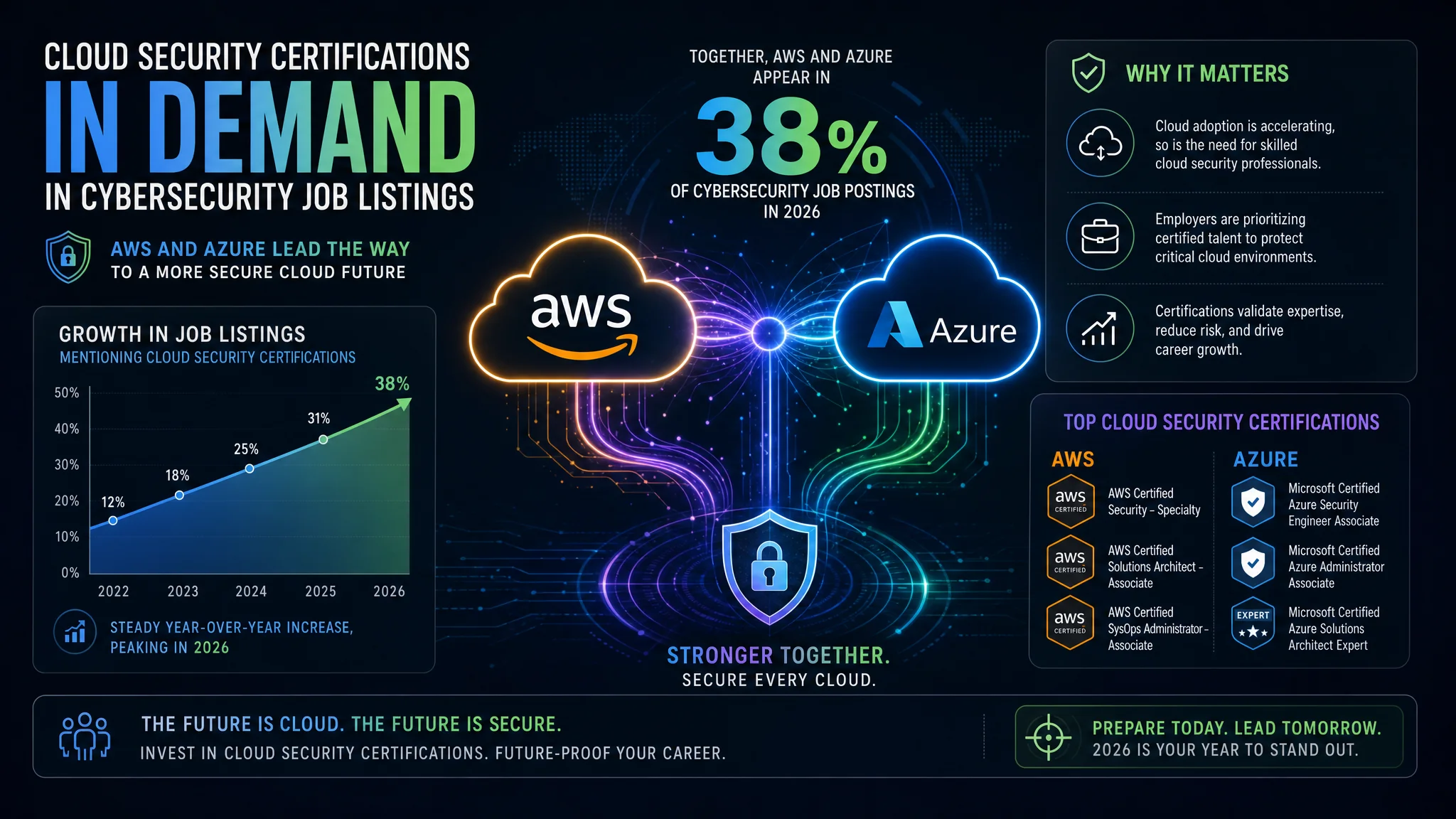
Market Position: Combined, AWS and Azure certifications appeared in 38% of cybersecurity job listings, second only to CISSP.
Cloud Certification Comparison
| Vendor | Certification | Cost | Renewal | Job Market Demand |
|---|---|---|---|---|
| AWS | Security Specialty | $300 | 3 years | 22% of listings |
| AWS | Solutions Architect | $150 | 3 years | 18% of listings |
| Azure | Security Engineer Associate | $165 | 1 year | 20% of listings |
| Azure | Cybersecurity Architect Expert | $165 | 1 year | 8% of listings |
| GCP | Professional Cloud Security Engineer | $200 | 2 years | 3% of listings |
The Cloud Security Imperative:
Here’s the controversial truth: In 2026, cloud certifications may be more valuable than traditional security certifications for most cybersecurity careers.
Why Cloud Wins in 2026:
Traditional Cybersecurity Jobs (2020-2024):
- On-premises data centers
- Physical firewalls and network security
- Windows Server and Active Directory
- VPN concentrators and DMZs

Modern Cybersecurity Jobs (2025-2026):
- AWS, Azure, GCP cloud environments
- Container security (Docker, Kubernetes)
- Serverless security (Lambda, Azure Functions)
- Identity and access management (IAM)
- Infrastructure as Code (Terraform, CloudFormation)
- AI/ML model security
The skill gap is massive. Enterprises migrated to cloud faster than security professionals gained cloud skills, creating unprecedented demand.
AWS Security Specialty Certification:
Exam Format:
- Duration: 170 minutes
- Questions: 65 multiple choice/multiple response
- Passing: ~750/1000 scaled score
- Cost: $300
Topics Covered:
- Incident Response in AWS
- Logging and Monitoring (CloudTrail, CloudWatch, GuardDuty)
- Infrastructure Security (VPCs, Security Groups, WAF)
- Identity and Access Management (IAM, STS, Cognito)
- Data Protection (KMS, encryption, S3 security)
2026 Updates:
- AI security for SageMaker and Bedrock
- Container security for ECS/EKS
- Serverless security for Lambda
- Zero Trust architecture in AWS
Azure Security Engineer Associate:
Exam Format:
- Duration: 120 minutes
- Questions: 40-60 questions
- Passing: 700/1000
- Cost: $165
Topics Covered:
- Identity and Access (Entra ID, Conditional Access)
- Platform Protection (Network security, firewalls)
- Security Operations (Sentinel, Defender)
- Data and Applications (Key Vault, application security)
2026 Updates:
- Microsoft Security Copilot integration
- AI security for Azure OpenAI Service
- Defender for Cloud updates
- Entra ID governance
Cost Analysis - Cloud vs Traditional:
Traditional Security Path (3-year cost):
- Security+: $404
- CySA+: $404
- PenTest+: $404
- CISSP: $749 + $405 renewal
Total: $2,366 over 3 years

Cloud Security Path (3-year cost):
- AWS Cloud Practitioner: $100
- AWS Solutions Architect Associate: $150
- AWS Security Specialty: $300
- Azure Fundamentals: $99
- Azure Security Engineer: $165 + $165 renewal
Total: $979 over 3 years

Savings: $1,387 (58% less expensive)
Job Market Demand: 38% vs 36% (cloud higher)
Cloud Certifications Strengths:
- Highest demand: 38% of jobs request cloud certs (AWS + Azure)
- Lowest cost: $100-300 per certification
- Practical skills: Tests real cloud security configuration
- Free training: Both AWS and Azure offer extensive free learning resources
- Future-proof: Cloud adoption accelerating, not slowing
- AI integration: Both vendors heavily investing in AI security
Cloud Certifications Weaknesses:
- Frequent renewals: Azure certs expire annually (expensive to maintain)
- Vendor lock-in: Skills partially specific to each platform
- Rapid change: Content updates frequently, must stay current
- Not “sexy”: Red teamers prefer OSCP over cloud certs (perception issue)
The 2026 Reality:
If I had to choose only one certification path for someone starting fresh in 2026, I would choose:
Cloud First Path:
- AWS Cloud Practitioner ($100) - Foundation
- AWS Solutions Architect Associate ($150) - Core skills
- AWS Security Specialty ($300) - Security focus
- Azure Fundamentals ($99) - Multi-cloud awareness
- Azure Security Engineer ($165) - Azure security
Total investment: $814 over 6-12 months
This path:
- ✅ Satisfies 38% of job listings
- ✅ Teaches practical, in-demand skills
- ✅ Costs less than single OSCP ($1,699)
- ✅ Prepares for AI-enabled security roles
- ✅ Provides vendor-recognized specialization
Our Verdict (AWS & Azure Combined):
- Hireability: 10/10 (38% combined demand, growing)
- Cost: 10/10 (Best ROI in industry at $100-300 per cert)
- Difficulty: 7/10 (Practical but multiple choice format)
- Future Readiness: 10/10 (Constantly updated, AI integrated)
- Weighted Score: 9.4/10
- Tier: S Tier - The only S tier in this entire analysis
When to Choose Cloud Certifications: ✅ Starting fresh in cybersecurity (best foundation for 2026) ✅ Current role involves any cloud infrastructure ✅ Want most in-demand skills with lowest cost ✅ Planning for AI-enabled security future
❌ You hate cloud and want only on-premises work (those jobs are disappearing) ❌ You’re committed to red team/pentesting pure offense (but even pentesting needs cloud skills now)
Bottom Line: Cloud certifications are the highest ROI investment in cybersecurity certification in 2026. This isn’t even close anymore.
SANS GIAC: The Lamborghini of Certifications
Primary Certifications: GSEC, GCIH, GPEN, GCIA, GCFA, GXPN, and 30+ others
Market Position: GIAC certifications appeared in 25% of advanced cybersecurity job listings, particularly government and enterprise roles.
SANS GIAC Portfolio (Selected Certs)
| Certification | Cost (Exam Only) | Cost (with SANS Training) | Focus | Market Demand |
|---|---|---|---|---|
| GSEC | $979 | $8,270 | Security fundamentals | 8% of listings |
| GPEN | $979 | $8,425 | Penetration testing | 7% of listings |
| GCIH | $979 | $8,425 | Incident handling | 9% of listings |
| GCIA | $979 | $8,425 | Intrusion analysis | 5% of listings |
| GCFA | $979 | $8,425 | Forensics | 6% of listings |
| GMLE | $979 | $8,495 | Machine learning security | 1% of listings |
The SANS Reality:
SANS Institute produces excellent training content with instructors who are top practitioners. Their courses represent some of the best cybersecurity education available.
The problem? The price.
SANS GPEN (Penetration Testing) Total Cost:
- SANS SEC560 Course: $7,995
- GPEN Exam (2 attempts): $979
- Books and materials: $200
- Travel/lodging (if in-person): $2,000+
Total: $11,174 - $13,174

Alternative:
- OSCP: $1,699-2,699
- Or HackTheBox CPTS: $499
- Or OffSec + HTB combined: $2,198

Savings with alternatives: $8,976-$10,976 (75-83% less expensive)
SANS Pricing Breakdown:
Exam Only (Without Training):
- Each GIAC exam: $979
- Two free attempts included
- Must self-study (SANS doesn’t make this easy)
With SANS Training:
- Live online courses: $7,995-$8,995
- On-demand courses: $5,995-$7,995
- In-person training: $8,425-$9,025 + travel
- Books included, practice tests included
Who Pays for SANS?
In reality, very few individuals self-fund SANS training. The typical SANS student has:
- Employer sponsorship: Company pays for training as professional development
- Government contracts: DoD/federal agencies fund SANS for employees
- Training budgets: Part of large enterprise security team development
- GI Bill: Military veterans using education benefits
SANS Strengths:
- Elite instructors: Courses taught by practicing security experts
- advanced content: Constantly updated for latest threats
- Comprehensive: Depth and breadth exceed most alternatives
- GIAC certifications: Respected by technical security professionals
- NetWars tournaments: Hands-on competition training format
- Practical labs: Real-world scenarios and exercises
SANS Weaknesses:
- Prohibitive cost: $8,000-9,000 per course eliminates most self-funding candidates
- Exam-only pricing: $979 per exam is still expensive if studying independently
- Renewal fees: $469 every 4 years to maintain certification
- Not beginner-friendly: Assumes significant prior knowledge
- Gatekept market: Creates two-tier system (those whose employers pay vs those who don’t)
The SANS Gatekeeping Problem:
Because SANS is so expensive, it creates a credential divide:
- Haves: Security professionals whose employers fund SANS training
- Have-nots: Self-funding individuals who can’t afford $8,000+ courses
This means GIAC candidates in job market are relatively rare, despite certifications being requested frequently. This scarcity builds perceived value.
2026 AI Updates:
SANS has responded to AI with:
- SEC595: Applied Data Science and Machine Learning for Cybersecurity ($8,495)
- GMLE: GIAC Machine Learning Engineer certification
- AI modules: Integrated into existing courses (GCIH, GPEN, etc.)
The GMLE appeared in exactly 1 job listing out of 2,500 analyzed. It’s too new and specialized to be widely requested yet.
Our Verdict:
- Hireability: 8/10 (25% of advanced listings mention GIAC)
- Cost: 2/10 (Terrible value for self-funding individuals)
- Difficulty: 9/10 (Rigorous exams testing real knowledge)
- Future Readiness: 9/10 (Constantly updated, AI integrated)
- Weighted Score: 6.8/10
- Tier: B Tier (with massive asterisk) - S Tier if employer pays, D Tier if you pay
When to Choose SANS: ✅ Employer will pay for training (obviously yes) ✅ Government/DoD role with training funds ✅ Military GI Bill available ✅ Already have 5+ years experience (SANS assumes knowledge)
❌ Self-funding ($8,000+ is unreasonable for most people) ❌ Early career (better ROI with cheaper alternatives) ❌ Want entry-level cert (SANS targets intermediate/advanced)
My Opinion: SANS courses are excellent. The pricing is predatory and creates a gatekept market that excludes talented people without employer sponsorship. Do not spend your own money on SANS when alternatives exist at 10-20% of the cost.

TCM Security: The YouTuber-Founded Dark Horse
Primary Certifications: PNPT, PJMR, PJPT, PNPT-JR
Market Position: TCM Security certifications appeared in 3% of penetration testing job listings, but have strong community reputation.
TCM Security Certifications
| Certification | Cost | Exam Duration | Focus | Unique Feature |
|---|---|---|---|---|
| PNPT | $399 | 5 days | Practical penetration testing | Live 15-min debrief call |
| PJMR | $399 | 48 hours | Movement, recon, persistence | Advanced tactics |
| PJPT | $249 | 48 hours | Junior pentester | Entry-level practical |
The Heath Adams Story:
TCM Security was founded by Heath Adams (The Cyber Mentor on YouTube), who built one of the largest cybersecurity education YouTube channels. His practical, no-BS approach resonated with beginners frustrated by expensive, theory-heavy certifications.
The 2025 Acquisition:
In March 2025, TCM Security was acquired by Educate 360, a corporate training conglomerate. Heath Adams publicly departed the company in late 2025.
Why This Matters:
Acquisitions in the certification space have mixed track records:
- Risk: Corporate owners prioritize profit over education quality
- Course updates: May slow down without founder’s vision
- Pricing: Often increases post-acquisition
- Community trust: Damage to reputation if quality declines
Current reports (2026): Some students reporting outdated labs, missing file dependencies, and slower response times for support.
PNPT Certification Details:
The PNPT (Practical Network Penetration Tester) stands out for one reason: the live debrief call.
Exam Format:
- Duration: 5 days of hacking + 2 days for report
- Scope: External pentesting of corporate network
- Active Directory: Full AD environment compromise required
- Report: Professional pentest report required
- Live Debrief: 15-minute video call defending your findings
That last point is huge. Almost no other certification makes you verbally defend your methodology and findings to a real human. This simulates actual client conversations that happen in real penetration testing engagements.
TCM Security Strengths:
- Practical exams: All certifications test hands-on skills
- Live debrief: Unique requirement to verbally present findings
- Affordable: $249-399 vs $1,699+ for OSCP
- Beginner-friendly: Courses designed for people new to pentesting
- Active Directory focus: Strong emphasis on AD attacks
- Real report writing: Teaches critical communication skills
TCM Security Weaknesses:
- Post-acquisition uncertainty: Quality may decline without Heath Adams
- Low market recognition: 3% of listings (vs 26% for OSCP)
- Limited advanced content: Strong for beginners, less depth for advanced
- Recent quality reports: Some labs reportedly outdated as of 2026
- Single-vendor risk: If acquisition goes poorly, certifications may lose value
Community Sentiment Analysis:
Pre-acquisition (2023-2024): 4.5/5 stars, praised for practical training and value
Post-acquisition (2025-2026): 3.5/5 stars, concerns about quality and direction
2026 Outlook:
TCM Security is at a crossroads:
- Scenario A: Educate 360 invests in content updates, maintains quality → TCM thrives
- Scenario B: Corporate cost-cutting degrades quality → community abandons TCM
As of May 2026, the verdict isn’t clear yet. The next 12 months will determine TCM’s future.
Our Verdict:
- Hireability: 5/10 (3% of listings, decent community reputation)
- Cost: 9/10 (Excellent value at $249-399)
- Difficulty: 8/10 (5-day practical with live debrief is serious)
- Future Readiness: 5/10 (Post-acquisition content updates uncertain)
- Weighted Score: 6.2/10
- Tier: B Tier (was A tier pre-acquisition) - Reputation declining
When to Choose TCM: ✅ Budget-conscious beginner ($399 for practical pentest training) ✅ Want experience with live debrief presentations ✅ Comfortable with some risk regarding certification longevity ✅ Supplementing OSCP/CPTS (not as primary credential)
❌ Need HR-recognized certification (3% mention isn’t enough) ❌ Want advanced content (reports suggest some staleness) ❌ Risk-averse about certification value over time
My Take: PNPT was an A-tier certification in 2023-2024. The acquisition and Heath’s departure make me cautious. If you already have it, great. If you’re choosing now in 2026, lean toward HackTheBox CPTS ($499) for similar practical training with more momentum.
Additional Vendors: Quick Analysis
I’ll rapid-fire analyze remaining certification vendors based on the tier system:
INE Security (eLearnSecurity)
Key Certifications: eJPT, eCPPTv2, eWPT, eCIR
eJPT (Junior Penetration Tester):
- Cost: $249 (occasionally $199 on sale)
- Best for: Absolute beginners
- Verdict: A tier for beginners, becoming outdated
The eJPT Problem: Content showing its age in 2026:
- No cloud security coverage
- No modern EDR simulation
- Heavy Metasploit dependence
- Missing report writing component
Recent November 2025 review titled “eJPT Showing Its Age” highlighted missing modern content.
Our Rating:
- eJPT: 6.8/10, B Tier (barely) - Great for beginners if updated
- Advanced INE certs: 4.5/10, C Tier - Badly need refreshing
Zero Point Security
Key Certifications: CRTO (Certified Red Team Operator), CRTL, CRTE
CRTO Details:
- Cost: $499 (CRTO Level 1) or $599 (CRTO Level 2)
- Focus: Cobalt Strike, C2 frameworks, EDR evasion
- Exam: 48 hours, hands-on
Why CRTO Matters:
This is the certification for advanced red teamers who’ve already done OSCP/CPTS. It covers:
- Cobalt Strike C2 framework
- Advanced Active Directory attacks
- EDR evasion techniques
- Living-off-the-land binaries (LOLBins)
Our Rating: 8.2/10, A Tier - Elite specialized red team certification
CyberDefenders
Key Certifications: CCD (Cyber Defender Certification, now CCD Level 2)
CCD Level 2:
- Cost: $850 ($425 with 50% student discount)
- Exam: 48 hours, practical SOC analysis
- Focus: Defensive security, SOC operations
Why CCD Matters:
This is emerging as the OSCP equivalent for blue team/SOC analysts:
- Practical 48-hour exam
- Real forensic investigation
- Partial credit for methodology (not just final answers)
- Covers all SOC analyst duties
Market Reality: 0% mention in job listings (brand new), but blue team community loves it.
Our Rating: 8.0/10, A Tier - Best blue team practical cert, recognition growing
PortSwigger Web Security Academy
Key Certification: BSCP (Burp Suite Certified Practitioner)
BSCP Details:
- Cost: $99 (exam only)
- Training: FREE (200+ labs, all free)
- Focus: Web application security
- Exam: 4 hours, hack 2 web apps
The BSCP Value Proposition:
This might be the single best value in cybersecurity certification:
- World-class web security training (completely free)
- Covers SQL injection, XSS, SSRF, XXE, prototype pollution, LLM attacks
- Only $99 exam fee
- Created by team behind Burp Suite (industry standard web security tool)
Market Recognition: 2% of job listings mention BSCP (growing)
Our Rating: 9.2/10, A Tier (almost S) - Best web security training available, free
Security Blue Team
Key Certifications: BTL1 (Blue Team Level 1), BTL2 (Blue Team Level 2)
BTL1:
- Cost: $540
- Exam: 24 hours, practical
- Focus: Entry-level SOC analyst
BTL2:
- Cost: $2,949 (steep jump)
- Focus: Advanced threat hunting
Our Rating:
- BTL1: 6.5/10, B Tier - Good but CyberDefenders CCD is better value
- BTL2: 5.8/10, B Tier - Too expensive
IA ISACA
Key Certifications: CISA, CISM, CGEIT, CRISC, CDPSE
The Audit/Compliance King:
- CISA: 18% of listings
- CISM: 15% of listings
- Combined: 40%+ of GRC/compliance roles
Cost: $760 (non-member) or $575 (member) + $135/year membership + $45-85 annual maintenance per cert
Stack of fees. If you’re not in GRC or audit, skip these entirely. For GRC roles, they’re mandatory.
Our Rating: 7.2/10, A Tier for GRC roles, C Tier for technical roles
EC-Council
Key Certification: CEH (Certified Ethical Hacker), CEH Practical, CEH Master
The Controversial One:
EC-Council has documented history of management issues (see attrition.org/errata/charlatans for details).
CEH Reality:
- Cost: $1,199 exam + $850 “mandatory” training
- Format: Multiple choice (base CEH)
- Market: Still requested in government/DoD (sadly)
Why CEH is Problematic (and why you should avoid it):
- Multiple choice for “ethical hacking” cert
- Expensive for what you get
- Decade of management/credibility issues
- CEH Practical is better but costs more
Our Rating: 4.8/10, C Tier - Only take if employer pays or you receive a free voucher
Cloud Security Alliance
Key Certification: CCSK (Certificate of Cloud Security Knowledge)
CCSK:
- Cost: $450
- Format: Open-book online exam
- Lifetime: No expiration (once passed, certified for life)
Our Rating: 6.5/10, B Tier - Decent vendor-neutral cloud cert, but ISC2 CCSP won recognition
The AI Impact: How Certifications Are Adapting
Every certification vendor is scrambling to add AI content. Here’s who does it well:
Certifications with Meaningful AI Integration (2026)
S Tier AI Integration:
- AWS Security Specialty - Covers SageMaker, Bedrock, AI/ML security native to platform
- Azure Security Engineer - Microsoft Security Copilot, OpenAI Service security
- ISC2 AI Security Certificate - Dedicated AI governance and risk cert
A Tier AI Integration: 4. SANS GMLE - Full Machine Learning security specialization 5. CompTIA Security+ AI - First vendor-neutral AI security cert (SECT AI+) 6. ISACA AAIA - Advanced AI Audit certification
B Tier AI Integration (Mentions but Shallow): 7. CISSP - Updated domains include AI considerations 8. CompTIA core certs - AI modules added but not central focus
F Tier AI Integration (Missing in Action):
- OSCP - Zero AI content
- Most IN certifications - Outdated
- CEH - No meaningful AI security content
What AI Means for Certification Value
Jobs Being Automated:
- SOC Level 1 alert triage - Microsoft Security Copilot does this now
- Basic vulnerability assessment - Automated scanning + AI prioritization
- Pentesting recon - AI tools like Expo automate initial phases
- GRC audit prep - AI extracts compliance evidence automatically
Jobs Growing More Valuable:
- Senior threat hunters - Complex investigation AI can’t do
- Security architects - Designing AI-secure systems
- Penetration testers - Chaining complex attacks AI misses
- Incident response leaders - Decision-making under uncertainty
The Certification Strategy for AI Era:
WRONG Approach:
"Get AI-proof certification" → No such thing exists

RIGHT Approach:
"Get AI-aware certifications" → Choose vendors updating content
Vendors winning: AWS, Azure, ISC2, SANS (expensive but current) Vendors losing: INE, EC-Council, anyone not updating content
Career Path Recommendations by Role
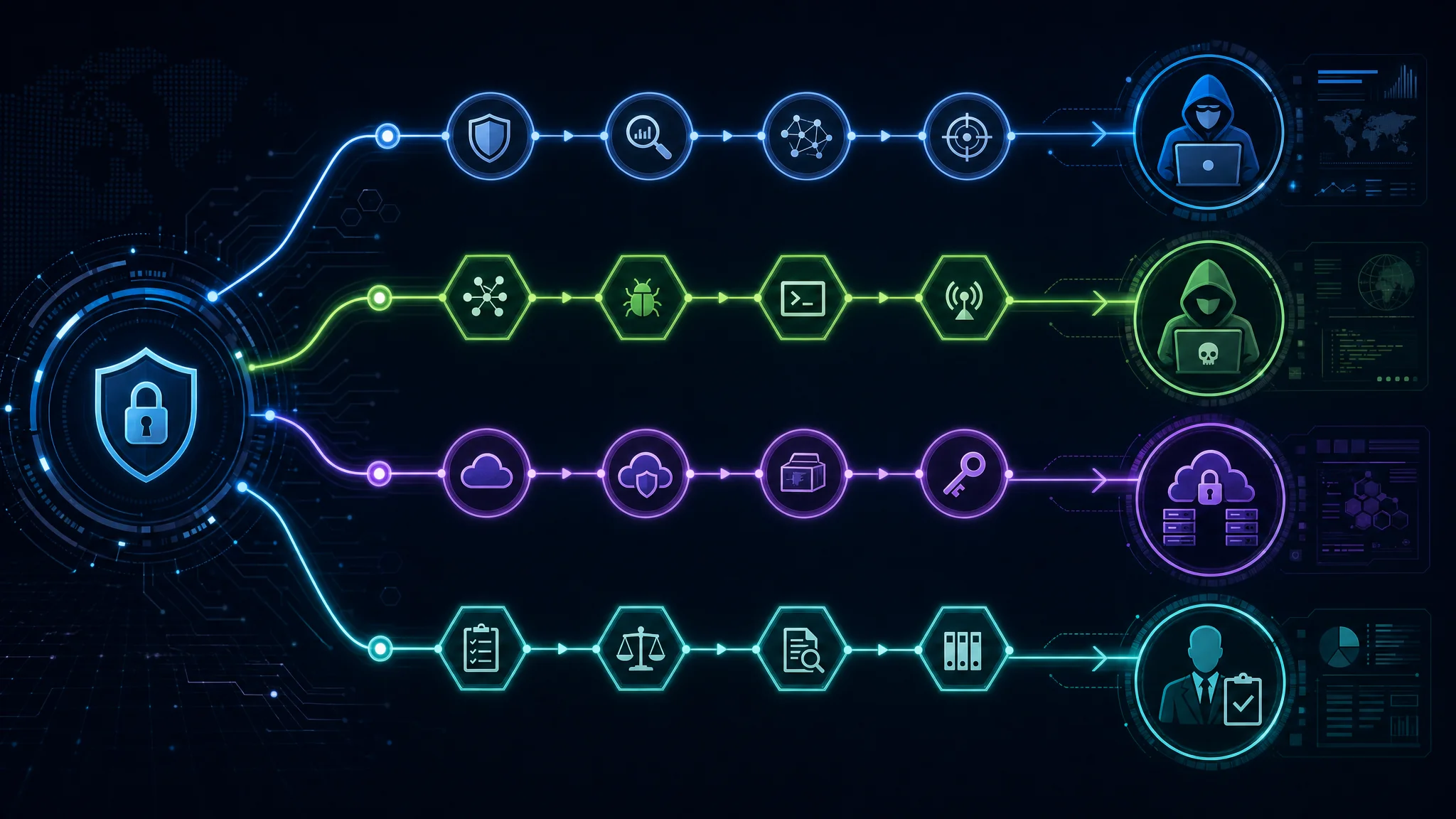
Path 1: Entry-Level SOC Analyst
Goal: Get first cybersecurity job monitoring security alerts
Recommended Certification Path:
- CompTIA Security+ ($400) - Entry ticket
- Azure Fundamentals ($99) - Cloud basics
- Azure Security Engineer ($165) - Cloud security focus
- CyberDefenders CCD Level 1 ($425 student discount) - Practical SOC skills
Total Investment: $1,089 Timeline: 6-9 months Starting Salary Range: $55,000-$70,000
Why This Path:
- Security+ satisfies HR requirements
- Azure skills immediately applicable
- CCD provides practical SOC investigation skills
- Total cost <$1,100 is accessible
Path 2: Penetration Tester / Red Team
Goal: Professional offensive security role
Recommended Certification Path:
- CompTIA Security+ ($400) - Foundation (skip if you have IT experience)
- HackTheBox CPTS ($499) - Core pentesting skills
- PortSwigger BSCP ($99) - Web app specialization
- OSCP ($1,699) - HR recognition
- Zero Point Security CRTO ($499) - Advanced red team
Total Investment: $3,196 (or $2,796 if skipping Security+) Timeline: 12-18 months Salary Range: $80,000-$120,000
Why This Path:
- CPTS provides best technical education
- BSCP for web app mastery (Almost free training)
- OSCP for resume recognition
- CRTO for advanced techniques
Path 3: Cloud Security Engineer
Goal: Secure cloud infrastructure
Recommended Certification Path:
- AWS Solutions Architect Associate ($150) - Foundation
- AWS Security Specialty ($300) - AWS security
- Azure Security Engineer ($165) - Azure security
- CISSP ($749) - Management recognition (after 5 years experience)
Total Investment: $1,364 (or $2,113 with CISSP) Timeline: 9-12 months Salary Range: $100,000-$150,000
Why This Path:
- Cloud skills most in-demand (38% of jobs)
- Multi-cloud expertise (AWS + Azure) maximizes opportunities
- CISSP adds management credibility
- Total cost very reasonable
Path 4: GRC / Compliance Analyst
Goal: Risk management, auditing, compliance
Recommended Certification Path:
- CompTIA Security+ ($400) - Foundation
- ISACA CISA ($575 member price + $135 membership) - Audit standard
- ISC2 CISSP ($749) - Security management
- ISACA CISM ($575) - Information security management
Total Investment: $2,434 Timeline: 12-18 months (need experience hours for CISSP/CISM) Salary Range: $75,000-$110,000
Why This Path:
- CISA/CISM dominate GRC job requirements
- CISSP adds security credibility
- Compliance roles growing with regulations
Path 5: Maximum HR Recognition (Min-Max Path)
Goal: Check every common HR box
Recommended Certification Path:
- CompTIA Security+ ($400)
- AWS Security Specialty ($300)
- Azure Security Engineer ($165)
- OSCP ($1,699)
- CISSP ($749)
Total Investment: $3,313 Timeline: 18-24 months Coverage: Satisfies requirements for 65%+ of cybersecurity job listings
Why This Path:
- Security+ (36% of listings)
- Cloud (AWS 22% + Azure 20% = 42%)
- OSCP (26% of pentest listings)
- CISSP (52% of all security listings)
- Combined coverage is enormous
What NOT to Do: Avoid These Traps
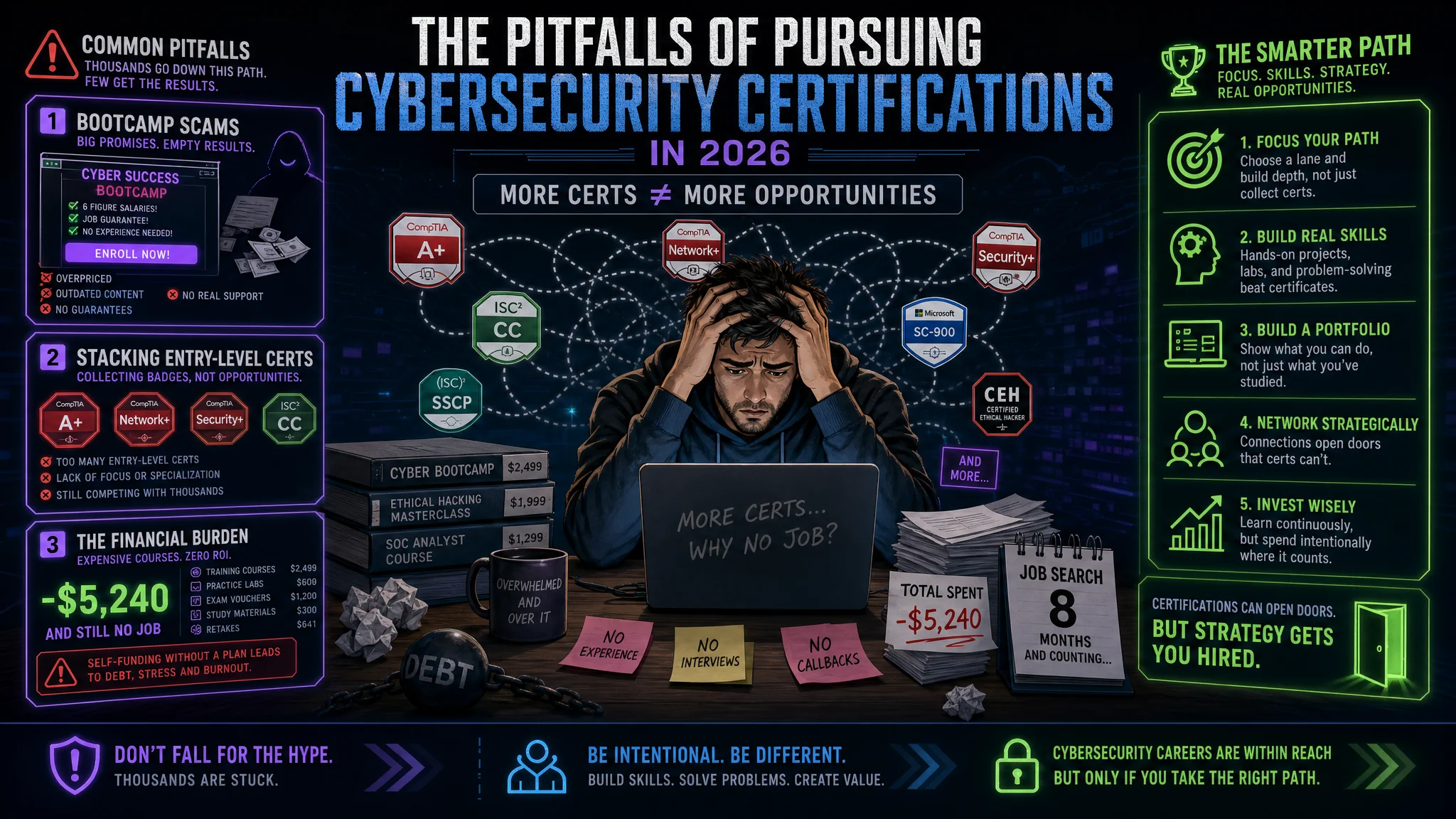
❌ Trap 1: ITIL Certifications
ITIL appeared in 2 job listings out of 2,500 analyzed.
Verdict: F Tier. Don’t waste money on ITIL for cybersecurity. (It’s fine for IT service management, but not security)
❌ Trap 2: Bootcamps
Zero mentions in entire job sample.
Cybersecurity bootcamps:
- Charge $10,000-20,000
- Provide no recognized certification
- “Job placement” is often just resume help
- Everything taught available cheaper elsewhere
Verdict: D Tier. Predatory pricing, no market recognition.
Better alternative: $499 for HackTheBox Academy access teaches more than a $15,000 bootcamp.
❌ Trap 3: Stacking Too Many Entry-Level Certs
Don’t do this:
- Security+
- CySA+
- PenTest+
- CASP+
- (All CompTIA, all overlapping content)
Problem: Diminishing returns. The first cert has value. Subsequent certs in the same family add little.
Better approach: Get one CompTIA cert, then diversify (add cloud, or OSCP, or CISSP)
❌ Trap 4: Ignoring Cloud
Common mistake: “I hate cloud, I’ll focus on on-premises security”
Reality check: On-premises jobs are declining ~15% per year. Cloud jobs are growing ~25% annually.
You can dislike cloud, but ignoring it limits career options significantly in 2026 and beyond.
❌ Trap 5: Chasing SANS Without Employer Funding
Don’t do this: Take out loans or drain savings for $8,000 SANS course
Reality: $8,000 without employer sponsorship has terrible ROI when $300-500 alternatives exist.
Exception: If employer pays, absolutely take SANS training. It’s excellent when someone else pays.
College Degrees: Do You Need One?
Analysis of 2,500 job listings:
- 75% requested bachelor’s degree
- 27% of those said “or equivalent experience”
- 10% requested master’s degree (mostly senior roles)
- <1% requested PhD
When College is Worth It
Yes to college if: ✅ You’re 18-22, haven’t started career yet (no opportunity cost) ✅ Attending NSA CAE-designated school (Cyber Center of Academic Excellence) ✅ School includes industry certifications in degree program ✅ Access to security clearance internship pipelines ✅ Using GI Bill or substantial scholarship (cost controlled)
No to college if: ❌ You’re 28+ with IT career, considering quitting for school ❌ Attending non-CAE school with no relevant labs ❌ Paying >$40K/year out of pocket ❌ Program is mostly “general education” filler classes
Recommended Programs
If doing bachelor’s degree:
- Western Governors University (WGU) - Competency-based, includes certifications, affordable (~$7,000/year)
- SANS Technology Institute - If you have money/employer pays
- Any NSA CAE-designated program - See maps.caecommunity.org for list
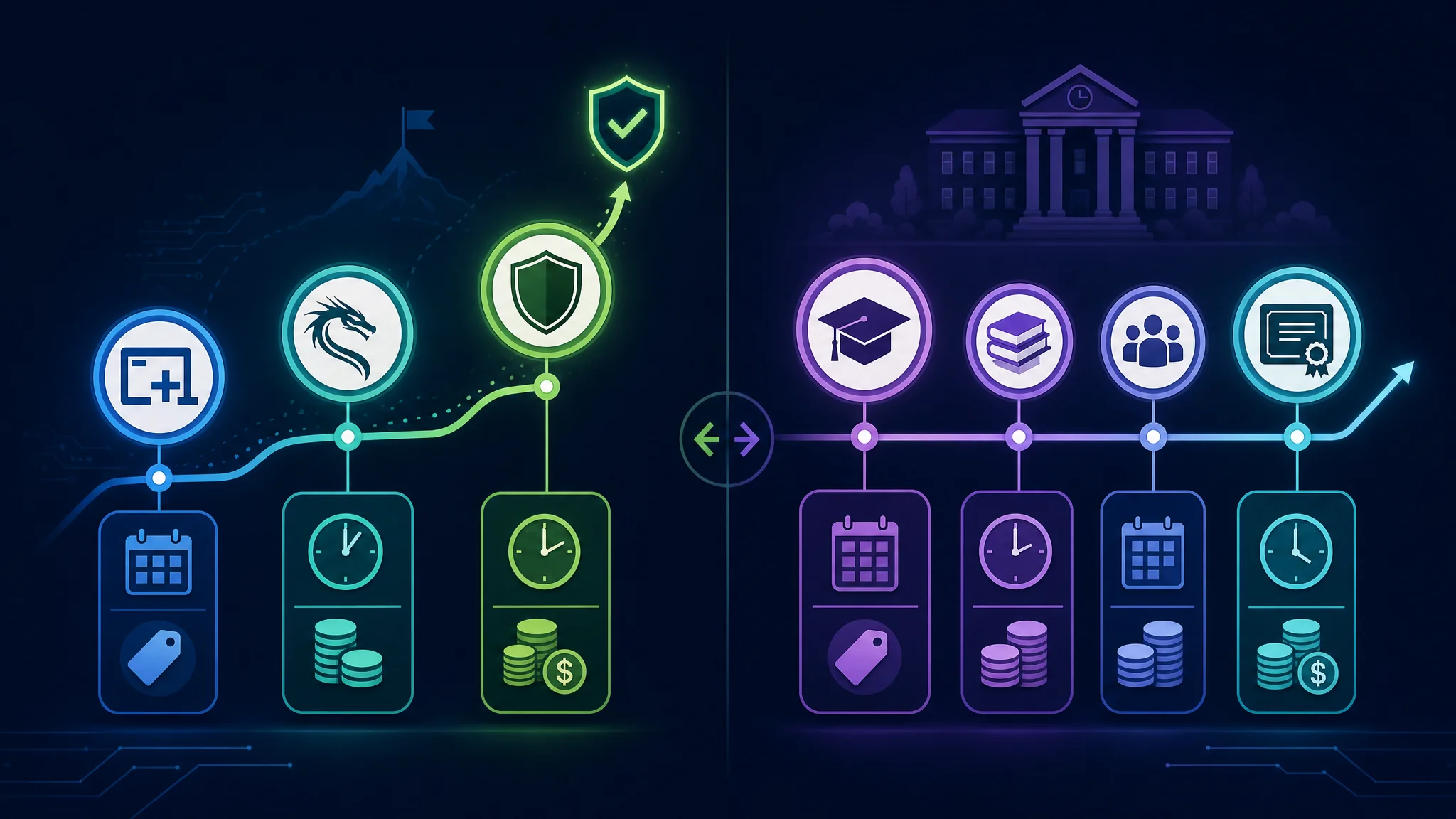
The Alternative Path
Non-Degree Path (Total: $3,500-5,000):
- Year 1: Security+, Cloud certs, self-study
- Year 2: OSCP or CPTS, internship or entry-level SOC role
- Year 3: CISSP eligible, mid-level security engineer
College Path (Total: $40,000-120,000):
- Year 1-4: Bachelor’s degree
- Year 5: Entry-level SOC role
- Year 8: CISSP eligible, mid-level security engineer
Outcome: Similar roles, arrived 2-5 years faster without degree, $40K-120K less debt.
Some employers (government, finance) strongly prefer degrees. Most tech companies don’t care.
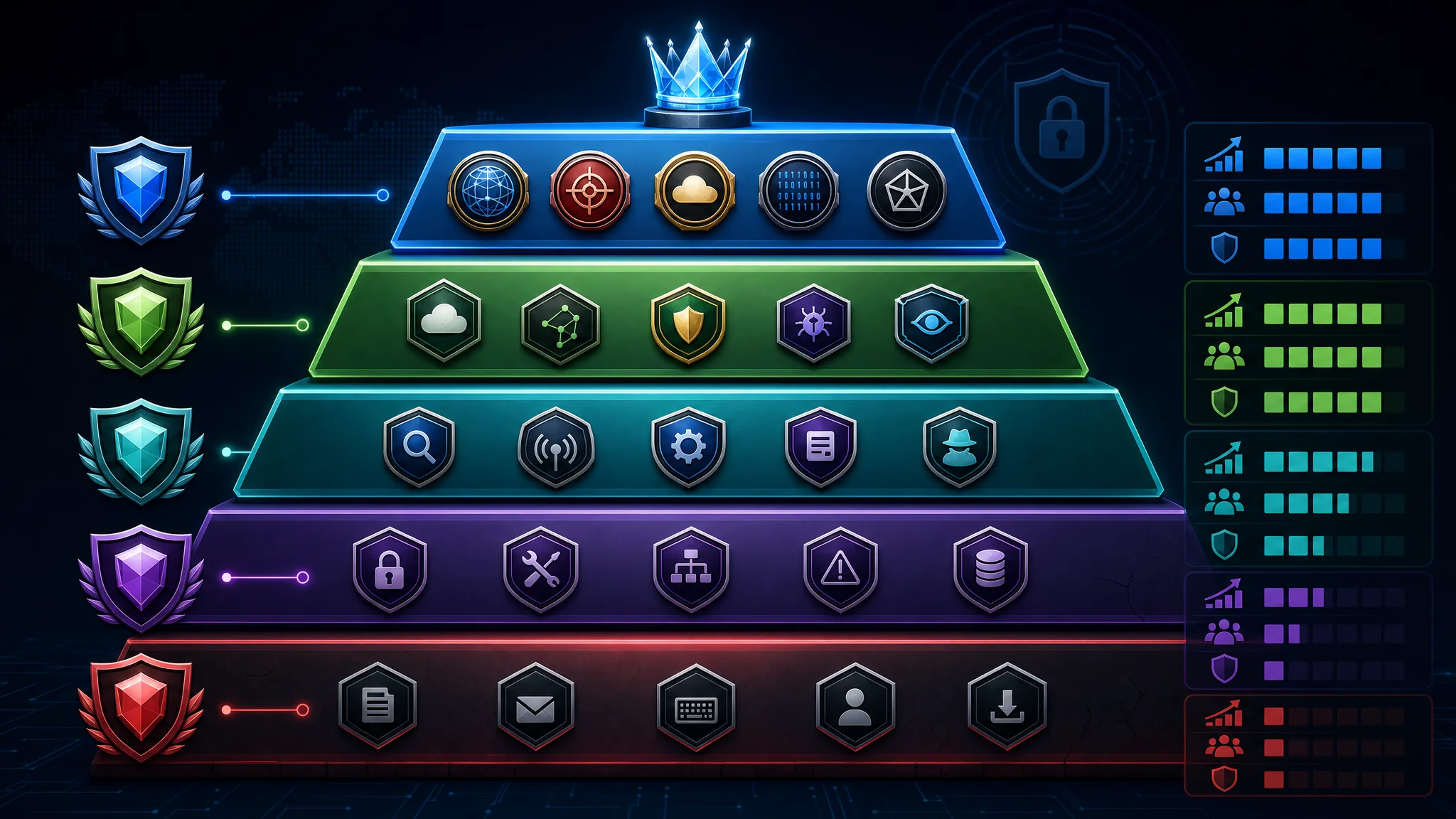
2026 Tier Rankings: Final Verdict
S Tier (9.0-10.0): Only the Best
🏆 AWS Security Certifications - 9.4/10
- Highest demand (22% of listings)
- Lowest cost ($100-300)
- Best ROI in entire industry
- Future-proof (AI integrated)
🏆 Azure Security Certifications - 9.4/10
- Second highest demand (20% of listings)
- Lowest cost ($99-165)
- Microsoft Security Copilot integration
- Rapid content updates
S Tier Verdict: Cloud certifications won 2026. If you do nothing else, get AWS or Azure security certs.
A Tier (7.0-8.9): Excellent Choices
🥇 ISC2 CISSP - 8.5/10
- Single most requested cert (52% of listings)
- Career-long value
- High but reasonable cost
- Regularly updated
🥇 HackTheBox CPTS - 8.2/10
- Technically superior to OSCP
- Best value ($499)
- 10-day practical exam
- Recognition growing rapidly
🥇 CyberDefenders CCD - 8.0/10
- Best blue team practical cert
- Realistic SOC assessment
- 48-hour exam
- Community beloved
🥇 Zero Point Security CRTO - 8.2/10
- Elite red team specialization
- Modern EDR evasion
- Advanced AD attacks
- Worth it for experienced red teamers
🥇 PortSwigger BSCP - 9.2/10
- Best web security training (free)
- Only $99 exam
- Constantly updated
- Created by Burp Suite team
🥇 CompTIA Security+ - 7.4/10
- Most recognized entry cert (36% of listings)
- HR loves it
- Affordable ($400)
- Theory-heavy but gets you in door
🥇 Offensive Security OSCP - 7.1/10
- Still gold standard for HR (26% of listings)
- Practical 24-hour exam
- Expensive ($1,699+)
- Content aging but brand strong
B Tier (5.5-6.9): Good with Caveats
🥈 SANS GIAC Certifications - 6.8/10
- Elite content
- Prohibitive cost ($8,000-9,000)
- S Tier if employer pays
- D Tier if you pay
🥈 INE Security eJPT - 6.8/10
- Best beginner pentest cert ($199-249)
- Content showing age
- Needs updates for 2026
🥈 TCM Security PNPT - 6.2/10
- Was A Tier before acquisition
- Live debrief unique
- Post-acquisition quality concerns
🥈 ISACA CISA/CISM - 7.2/10 for GRC, 4.0/10 for technical
- Mandatory for audit/compliance
- High demand in GRC (40%+)
- Not useful for technical roles
🥈 Cloud Security Alliance CCSK - 6.5/10
- Decent vendor-neutral cloud cert
- Lifetime certification (no renewal)
- ISC2 CCSP won name recognition battle
🥈 Security Blue Team BTL1 - 6.5/10
- Good entry blue team cert
- CyberDefenders CCD provides better value
- BTL2 too expensive ($2,949)
🥈 Cisco CCNA - 6.75/10
- Still best networking foundation
- Networking knowledge expected
- Not requested much but useful
C Tier (4.0-5.4): Questionable Value
🥉 EC-Council CEH - 4.8/10
- Multiple choice for hacking cert
- Documented reputation issues
- Expensive ($1,199 + $850 training)
- Only take if free voucher
🥉 TryHackMe Certifications - 4.4/10
- Platform is EXCELLENT for beginners
- Certifications have zero market recognition
- NoScope AI training controversy
- Use for learning, not certification
🥉 INE Advanced Certs - 4.5/10
- Content badly needs refreshing
- Missing modern cloud, EDR, AI
- eJPT is good, rest aging
D/F Tier (Below 4.0): Avoid
❌ ITIL for Cybersecurity - 2.0/10
- 2 mentions in 2,500 listings
- Wrong field (IT service management)
❌ Bootcamps - 2.5/10
- Zero job listing mentions
- Predatory pricing ($10K-20K)
- No recognized certification
- Everything taught available cheaper
The 2026 Strategy: What To Do
After analyzing 2,500+ job listings and 30+ certification vendors, here’s the truth:
For Absolute Beginners (No IT Experience)
Path: Security+ → Cloud → Specialize
- Google Cybersecurity Certificate ($39/month, ~3 months = $117)
- CompTIA Security+ ($400)
- AWS Security Specialty ($300)
- Choose specialization (red team = CPTS, blue team = CCD)
Total: $1,300-1,800 Timeline: 6-12 months Result: Entry-level ready
For People with IT Experience
Path: Skip straight to valuable certs
- AWS Security Specialty ($300)
- Azure Security Engineer ($165)
- HackTheBox CPTS ($499) OR CyberDefenders CCD ($425)
- CISSP ($749) after 5 years
Total: $1,400-2,000 Timeline: 6-12 months Result: Mid-level ready
For Maximum Job Market Coverage
Path: Hit all major keywords
- Security+ ($400)
- AWS Security ($300)
- Azure Security ($165)
- OSCP ($1,699)
- CISSP ($749)
Total: $3,313 Timeline: 18-24 months Result: 65%+ of jobs satisfied
The Controversial Take: Skip Traditional Certs
Path: Cloud-only strategy
- AWS Cloud Practitioner ($100)
- AWS Solutions Architect ($150)
- AWS Security Specialty ($300)
- Azure Fundamentals ($99)
- Azure Security Engineer ($165)
- Azure Cybersecurity Architect ($165)
Total: $979 Coverage: 38% of jobs (matching Security+ at 36%) Advantage: Practical skills, AI-ready, future-proof
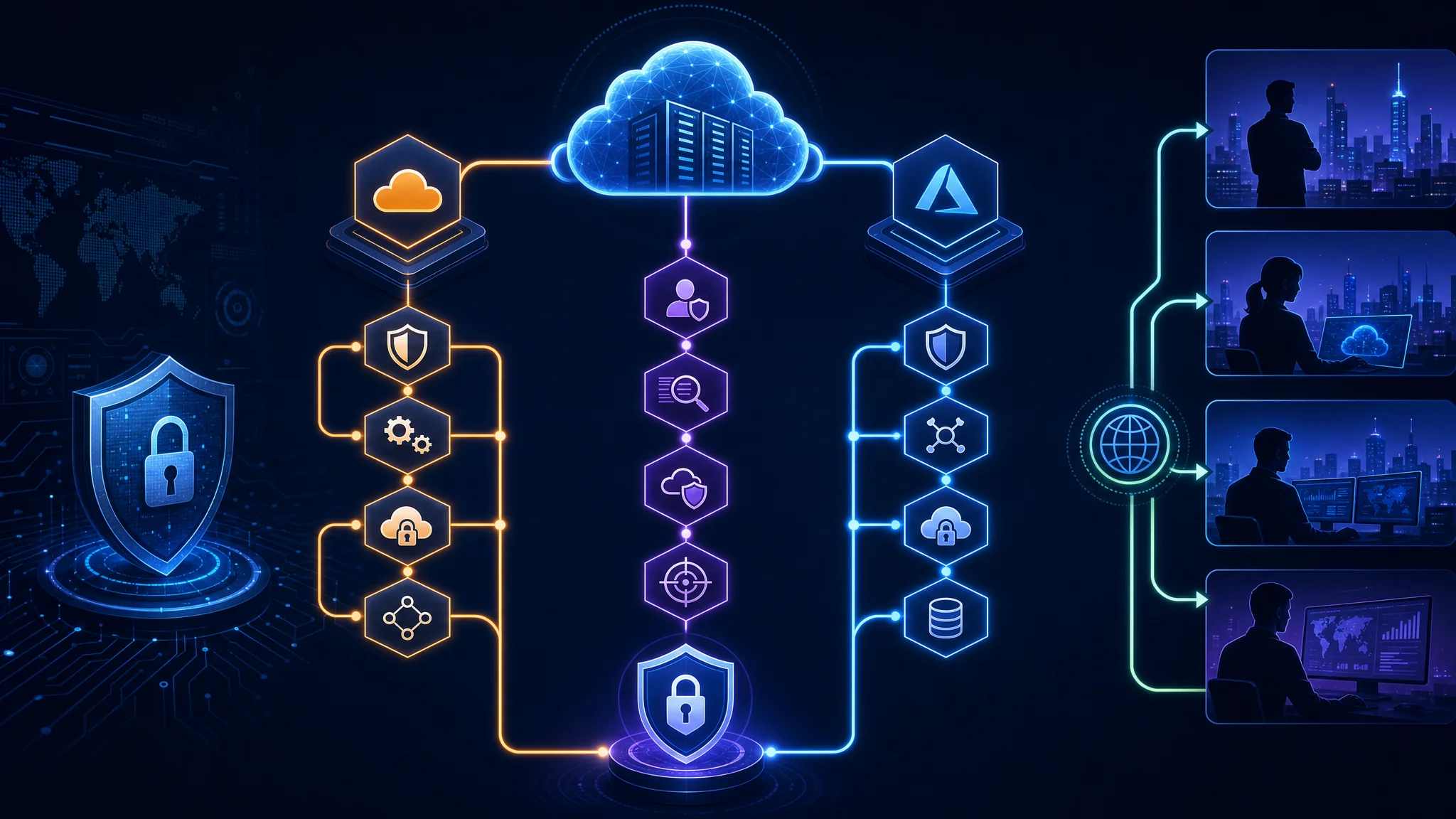
This is my controversial recommendation for 2026. Cloud certifications now match traditional security cert demand while teaching more relevant skills.
Conclusion: Choose the Right Institution, Not Just Certifications
The cybersecurity certification landscape in 2026 rewards strategic thinking over credential hoarding. Key points:
Critical Insights
Cloud won: AWS and Azure certifications now match or exceed traditional security certs in job demand (38% vs 36%)
Practical beats theory: Certifications with hands-on exams (CPTS, OSCP, CCD, PNPT) are worth more than multiple-choice exams
AI is here: Vendors updating content for AI security (AWS, Azure, ISC2, SANS) will retain value. Vendors ignoring AI (INE, EC-Council) will decline.
Cost matters: $8,000 SANS courses aren’t 10x better than $800 alternatives for self-funding individuals
Brand recognition declining: Technical hiring managers increasingly recognize CPTS and disregard expensive certs with outdated content
The Three-Tier Reality
Tier 1 - Must Have:
- Security+ or Cloud cert (entry ticket)
- One practical hands-on cert (CPTS, CCD, or OSCP)
Tier 2 - High Value:
- Multi-cloud expertise (AWS + Azure)
- CISSP (after experience requirement met)
Tier 3 - Specialization:
- Advanced red team (CRTO, OSEP)
- GRC focus (CISA, CISM)
- Web specialization (BSCP)
My Final Recommendations by Budget
Budget: <$1,000 → Security+ ($400) + AWS Security ($300) + Azure Fundamentals ($99) → Gets you hired as SOC Analyst or Cloud Security Jr.
Budget: $1,000-3,000 → AWS/Azure cloud path + HackTheBox CPTS ($499) → Best ROI for offensive or cloud security roles
Budget: $3,000-5,000 → Cloud certs + CPTS + OSCP + CISSP → Maximum market coverage
Budget: Employer Pays → SANS anything they’ll fund → Take advantage of expensive training when someone else pays
The Future is Clear
By 2028-2030, I predict:
- Cloud certifications become baseline requirement (not optional)
- CPTS matches OSCP in market recognition
- AI security specializations emerge as distinct career path
- Traditional computer network certs decline further as cloud dominates
The winning strategy: Stack cloud + practical hands-on + management cert (CISSP). Avoid expensive multiple-choice certifications and outdated content.
Choose your certifications strategically, focus on practical skills, and remember: certifications open doors, but skills keep them open.

References
- CompTIA Official Certifications
- ISC2 Certification Programs
- Offensive Security Certifications
- HackTheBox Academy
- AWS Security Certifications
- Microsoft Azure Security Certifications
- SANS GIAC Certifications
- TCM Security
- INE Security
- CyberDefenders
- PortSwigger Web Security Academy
- ISACA Certifications
- NSA CAE Cyber Map
- Zero Point Security
- Cloud Security Alliance

Disclosure and Affiliate Statement:
Affiliate Disclosure: We may earn a commission from links on this page. These commissions support our website and the content we provide. Rest assured, we only recommend products/services we believe in. Thank you for your trust! Click Here to Learn More
Related Posts




This article refers to other articles we've written:
- HackTheBox Academy vs TryHackMe
Comprehensive 2026 comparison of HackTheBox Academy and TryHackMe including pricing, features, learning paths, and performance metrics to help beginners choose the best platform for learning cybersecurity skills.
- Ansible for Beginners 2026
Master Ansible in 2026 with this comprehensive beginner's guide covering installation, playbooks, roles, best practices, real-world examples, and comparison with Terraform, Puppet, and Chef for IT infrastructure automation.
- AWS vs Azure vs Google Cloud 2026: Complete Comparison
Comprehensive 2026 comparison of AWS, Microsoft Azure, and Google Cloud Platform (GCP). Detailed analysis of pricing, security features, compliance certifications, services, performance benchmarks, and decision frameworks to choose the best cloud provider for your business needs.